
Ha Giang Loop weather plays a crucial role in shaping the overall motorbike experience. With unpredictable mountain climates, riders need to be well-prepared for varying conditions, from sunshine to heavy fog and sudden rain. Knowing how the weather impacts road safety, visibility, and comfort is essential for a smooth journey. This guide explores the seasonal effects on the Ha Giang Loop motorbike adventure and provides useful tips to adapt to different conditions.
Ha Giang’s mountainous terrain causes significant temperature variations between day and night. During the colder months, temperatures can drop to 5°C in high-altitude areas, while summer can bring highs of 35°C. Riders must pack accordingly to stay comfortable throughout the day. Layering is key, as mornings and evenings can be chilly, but afternoons may get warm. Staying at Hostel in Ha Giang before starting the journey allows travelers to check the latest weather updates and pack appropriately.

Rain is one of the biggest challenges on the Ha Giang Loop. Sudden downpours, especially during the summer months, can make roads slippery and increase the risk of landslides in certain areas. A well-maintained motorbike with quality tires and brakes is essential for navigating wet roads safely. Waterproof gear, including a rain jacket and pants, helps riders stay dry and comfortable. Checking Ha Giang Loop weather forecasts before setting out and riding cautiously during rainstorms can prevent accidents.
Fog is common in the early mornings and winter season, reducing visibility on winding mountain roads. This can make navigating the Ha Giang Loop motorbike route more difficult, especially on steep descents and sharp turns. To stay safe, riders should use headlights, wear reflective gear, and avoid speeding. Taking breaks when visibility is too low can help prevent dangerous situations. Staying at Hostel in Ha Giang allows travelers to start their ride at optimal times, avoiding the densest fog periods.

The dry months from October to April provide the best conditions for motorbike adventures. With clear skies, minimal rainfall, and stable road conditions, riders can fully enjoy the breathtaking landscapes. However, even during this period, dust can become an issue, particularly on less-traveled paths. Wearing a face mask or scarf helps protect against dust inhalation. Proper hydration is also crucial, as the dry air and long riding hours can lead to dehydration.
Strong winds, particularly in open highland areas, can affect motorbike stability. This is especially common in winter when cold gusts sweep through the mountains. Keeping a firm grip on the handlebars and distributing weight evenly helps maintain control. Riders should also be cautious when overtaking vehicles or navigating narrow passes where wind pressure can be stronger.
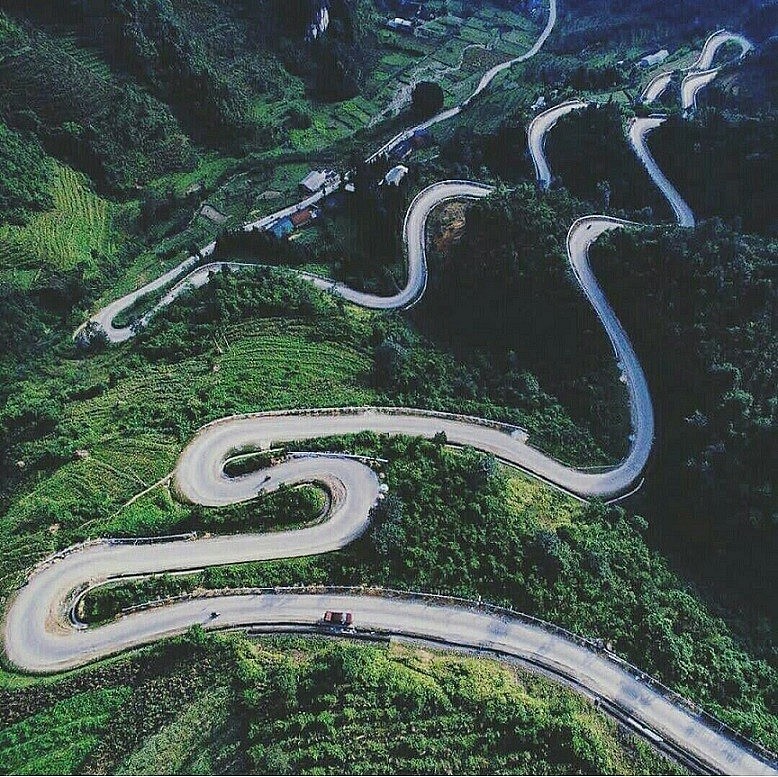
Each season offers a unique experience, but autumn (September to November) and spring (March to May) are the most favorable. These months provide moderate temperatures, beautiful landscapes, and relatively stable Ha Giang Loop weather. Travelers who prefer avoiding extreme conditions should plan their trip around these periods. Checking with Hostel in Ha Giang before the journey helps ensure the latest weather updates and road conditions are considered.
Being flexible with the itinerary allows riders to adjust plans based on weather conditions. Always check forecasts before heading out, wear protective gear, and ensure the motorbike is in excellent condition. With the right preparation, Ha Giang’s unpredictable weather can become part of the adventure, adding to the thrill of exploring Vietnam’s most scenic motorbike route.
Understanding Ha Giang Loop weather is essential for planning an unforgettable motorbike adventure. The region experiences distinct seasonal changes, each offering unique landscapes, challenges, and experiences. Whether chasing golden rice fields, misty mountain roads, or lush green valleys, knowing what to expect each season ensures a safe and enjoyable journey. For those looking to embark on a Ha Giang Loop motorbike trip, this guide breaks down the weather conditions by season and provides useful tips for preparation.
Spring in Ha Giang brings comfortable temperatures ranging from 15°C to 25°C, making it an ideal time to explore the loop. The weather is mostly dry, and the mountains burst into color as peach and plum blossoms bloom across the hillsides. The clear skies and moderate temperatures create perfect riding conditions for those seeking a smooth Ha Giang Loop motorbike experience.
However, occasional spring drizzles can make the roads slightly slippery. Packing a lightweight rain jacket and ensuring tires have good grip can help maintain safety on the winding roads. Staying at a well-located accommodation like Hostel in Ha Giang provides a convenient base before starting the journey.
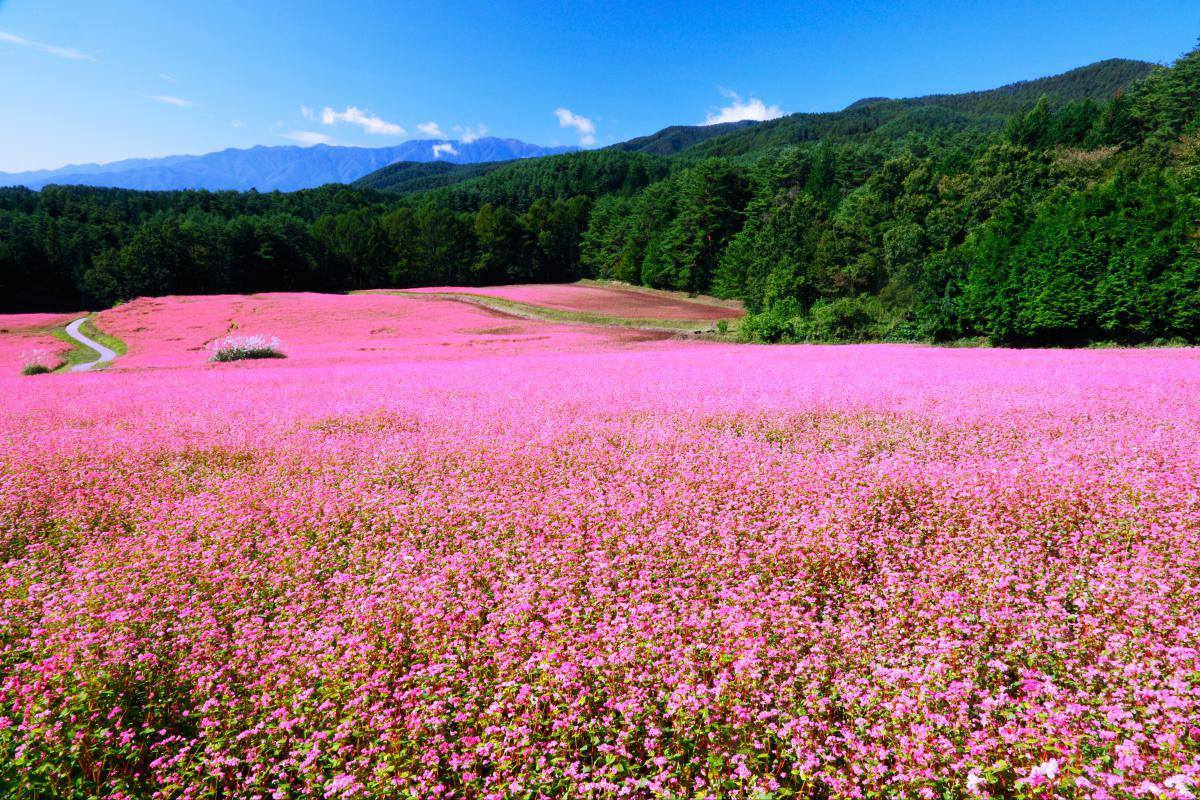
The summer months bring hot temperatures ranging from 25°C to 35°C, with increased humidity and frequent afternoon showers. While this season turns the rice terraces into a stunning green paradise, heavy rains can lead to slippery roads and occasional landslides. Riding the Ha Giang Loop motorbike route during this season requires extra caution, particularly on steep and winding paths.
Carrying a waterproof bag for belongings and wearing high-quality rain gear ensures comfort during sudden downpours. Early morning rides are advisable as rainfall is more common in the afternoons. Travelers looking for local guidance on road conditions can check with Hostel in Ha Giang before setting out.
Autumn is considered the best season to explore Ha Giang, with temperatures ranging from 20°C to 28°C. This period is famous for the breathtaking golden rice terraces in Hoang Su Phi and along the loop. With minimal rainfall and clear skies, the riding conditions are optimal, attracting adventurers from all over the world.
This is also the peak season, meaning more tourists on the roads and in villages. Booking accommodations in advance, such as Hostel in Ha Giang, ensures a smooth experience. Morning and late afternoon rides offer the best lighting for photography, while midday sun can still be strong, so sun protection is recommended.

Winter in Ha Giang brings a completely different atmosphere, with temperatures dropping to 5°C in the higher elevations. Misty mornings and occasional frost in areas like Dong Van and Meo Vac create a surreal landscape, but riders should be prepared for cold conditions, especially on early morning departures.
Layered clothing, insulated gloves, and windproof jackets are essential for a comfortable ride. The roads can become foggy, reducing visibility, so extra caution is required when navigating the Ha Giang Loop motorbike route. Hostel in Ha Giang provides a warm place to stay and gather insights on the safest routes before heading out.
Selecting the best time to ride depends on personal preferences and riding experience. For beginners, autumn and spring offer the most stable conditions, while summer and winter require more advanced skills due to unpredictable weather. Checking local forecasts before departure and having a flexible itinerary can help adjust for unexpected weather changes.
No matter the season, the Ha Giang Loop remains one of the most rewarding motorbike adventures in Vietnam. By understanding the seasonal weather patterns and preparing accordingly, travelers can ensure a safe and memorable journey through Vietnam’s stunning northern landscapes.
Lung Cu Flag Point is one of the most iconic destinations in Ha Giang, offering stunning panoramic views and a deep sense of national pride. However, due to its popularity, the site can become crowded, especially during peak travel seasons. For those seeking a quieter and more personal experience, strategic planning is essential. Knowing the best times to visit, alternative routes, and local accommodations like Ha Giang City Hostel can help travelers enjoy the landmark without the crowds.
Timing plays a significant role in avoiding large groups at Lung Cu Flag Point. The busiest times tend to be late mornings and early afternoons when tour groups arrive. To experience a more peaceful visit, consider arriving early in the morning before 8 AM or later in the afternoon around 4 PM. These hours provide the best lighting for photography while allowing visitors to enjoy the site in a more serene atmosphere.

Seasonal fluctuations impact the number of visitors at Lung Cu. The peak seasons are from September to November, when the rice terraces in Ha Giang are golden and attract tourists, and from March to May, when spring brings mild weather. Traveling in the winter months (December to February) or during the rainy season (June to August) significantly reduces the number of tourists. While the weather may be colder or wetter, the reward is a more tranquil experience at the flag tower.
Most visitors take the main road from Dong Van to Lung Cu, which is the most direct but also the busiest. Adventurous travelers can explore alternative routes that not only offer fewer crowds but also provide breathtaking scenery along the way. By using the Ha Giang City Hostel as a base, visitors can inquire about quieter routes or hidden viewpoints that offer a unique perspective of the area. Exploring small village paths can lead to unexpected cultural encounters and stunning landscapes away from the usual tourist flow.

Weekends see the highest number of tourists, especially local travelers from other parts of Vietnam. Planning a visit on a weekday, particularly Tuesday through Thursday, significantly reduces the number of people at the flag point. Additionally, visitors can combine their trip with a visit to Dong Van Market, which is less crowded on weekdays, allowing for a more immersive experience in the local culture.
Many tourists head straight to Lung Cu Flag Point early in the day, creating a surge in crowds around mid-morning. To avoid this, consider exploring nearby attractions first and visiting the flag tower in the late afternoon. Locations such as ethnic minority villages or Ma Le Commune offer authentic cultural experiences and can be visited in the morning before reaching Lung Cu when the crowds have dispersed.

Rather than making a rushed day trip from Ha Giang City or Dong Van, staying overnight near Lung Cu allows visitors to enjoy the area during quieter hours. Nearby accommodations offer a chance to wake up early and visit the flag point before tour buses arrive. Ha Giang City Hostel provides useful travel advice and connections to guesthouses near Lung Cu for a more relaxed experience.
Vietnamese public holidays such as Tet (Lunar New Year), Reunification Day (April 30), and Independence Day (September 2) see a surge in domestic tourism. Lung Cu Flag Point becomes a prime destination for local travelers during these times, making it one of the busiest periods to visit. Checking the national holiday calendar and avoiding these dates ensures a less crowded visit.
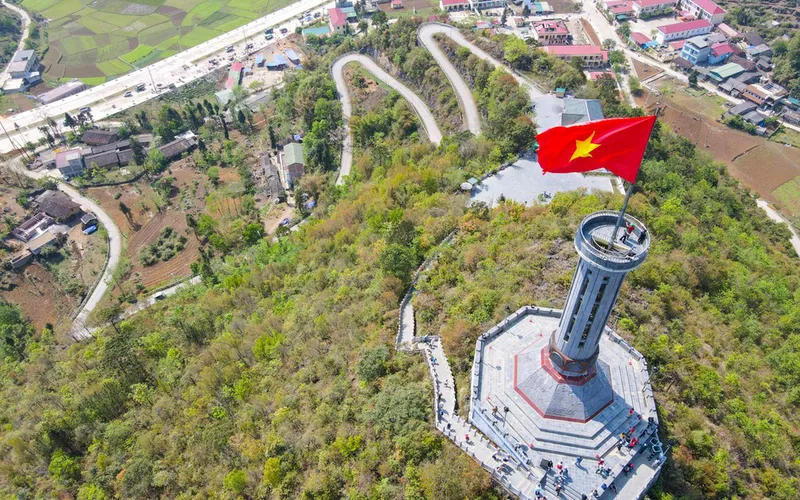
Avoiding tourist crowds allows travelers to fully appreciate the historical and cultural significance of Lung Cu. With fewer people around, visitors can take their time climbing the steps, absorbing the breathtaking views, and reflecting on the significance of Vietnam’s northernmost point. Additionally, smaller crowds mean better opportunities for capturing stunning, unobstructed photographs.
By planning strategically and following these tips, visitors can enjoy a more intimate and rewarding experience at Lung Cu Flag Point. From choosing the right time to visit to staying in accommodations like Ha Giang City Hostel, small adjustments can make a big difference in avoiding crowds. Whether exploring alternative routes or visiting on a weekday, these strategies help ensure a peaceful and memorable trip to one of Vietnam’s most symbolic landmarks.
A trip to Lung Cu Flag Point is an unforgettable journey through Vietnam’s northernmost landscapes, offering breathtaking views and deep cultural insights. Whether traveling by motorbike or car, packing the right essentials can make the adventure smoother, safer, and more enjoyable. From weather-appropriate clothing to necessary travel documents, preparing wisely ensures a stress-free experience in Ha Giang’s remote regions.
Since Lung Cu Flag Point is near the Chinese border, carrying the correct documentation is crucial. Visitors should bring a valid passport and identification, as occasional security checkpoints require verification. Additionally, for those renting motorbikes, an international driving permit (IDP) along with a valid license is necessary. Travelers staying in Ha Giang overnight must also register their accommodations, which can be done easily at places like Ha Giang City Hostel.
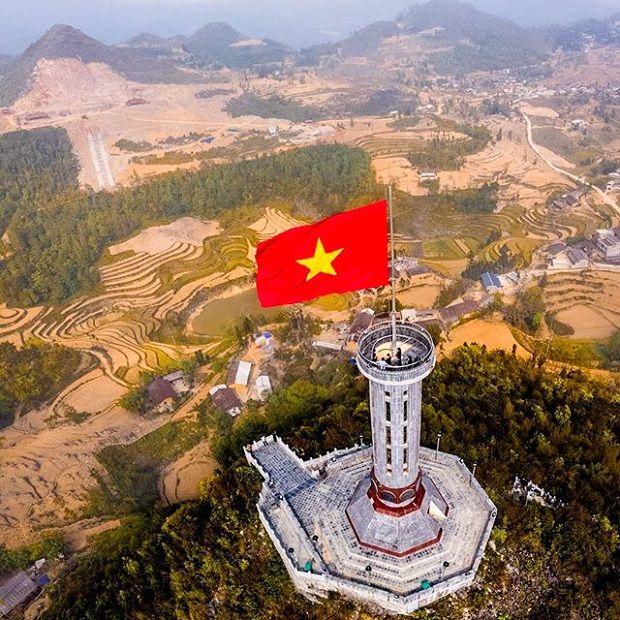
Ha Giang’s weather varies throughout the year, so dressing appropriately is key. During colder months (November to February), layering is essential, as temperatures can drop significantly, especially in high-altitude areas like Lung Cu. A warm jacket, gloves, and a hat help retain body heat. In warmer months (April to October), lightweight, breathable clothing is ideal, but a rain jacket should always be included due to unpredictable mountain showers. Comfortable hiking shoes or sturdy sneakers are recommended for the steep climb to the flag tower.
For travelers embarking on a motorbike adventure to Lung Cu Flag Point, proper riding gear enhances safety and comfort. A high-quality helmet is a must, preferably one with a visor to protect against dust and wind. Gloves, knee pads, and a protective jacket add an extra layer of security, especially on Ha Giang’s winding roads. Reflective gear or bright-colored clothing is also beneficial for visibility, particularly if riding in the early morning or evening hours.
While the roads leading to Lung Cu are marked, having a reliable navigation tool is essential for a smooth journey. Offline maps or a GPS-enabled smartphone app can help riders stay on course, particularly in areas with weak mobile signals. Travelers should download a detailed Ha Giang route map before departure. Carrying a power bank ensures devices remain charged, and a local SIM card with mobile data allows for easy communication in case of emergencies.
Long stretches of road with limited access to food stalls make packing snacks and water a practical choice. High-energy snacks such as dried fruits, nuts, and protein bars help maintain energy levels during the trip. A refillable water bottle is essential to stay hydrated, and travelers can find refill stations at guesthouses and roadside shops. Those planning to explore Dong Van Market should also try the local delicacies, which provide a taste of Ha Giang’s rich culinary traditions.
Lung Cu Flag Point offers some of the most picturesque views in northern Vietnam, making photography gear an important addition. A good-quality camera or a smartphone with a high-resolution camera ensures travelers capture the stunning landscapes and cultural encounters along the way. A lightweight tripod is useful for steady shots, especially for sunrise and sunset photography. Extra memory cards and batteries prevent missing any breathtaking moments.
Having a basic first aid kit can be invaluable during a trip to remote areas. Essentials should include adhesive bandages, antiseptic wipes, pain relievers, and motion sickness tablets for those prone to dizziness on winding roads. Insect repellent is also a necessity, particularly for travelers camping or spending extended time outdoors. A flashlight or headlamp is useful for navigating dimly lit areas, especially when traveling early in the morning or late at night.
While larger towns in Ha Giang may have ATMs, remote areas like Lung Cu and Dong Van Market operate primarily on cash transactions. Carrying enough cash in small denominations makes it easier to pay for food, souvenirs, and entrance fees. A reusable shopping bag is handy for carrying market purchases, and a small padlock provides extra security for backpacks when staying in hostels or guesthouses.
After a long day exploring Lung Cu Flag Point and nearby attractions, a comfortable place to rest is essential. Ha Giang City Hostel provides a welcoming environment with cozy accommodations, travel assistance, and motorbike rental services. Staying at a reputable hostel ensures a good night’s sleep before embarking on further adventures in Ha Giang.
Packing wisely can make a significant difference in the overall travel experience. To ensure a smooth trip, travelers should:
Check the Weather Forecast: Knowing the expected weather conditions helps with packing the right clothing and gear.
Plan Fuel Stops: Fuel stations are limited in remote areas, so refueling in larger towns is advised.
Pack Light but Smart: Carrying only the essentials reduces weight and increases comfort on long rides.
Respect Local Customs: Ha Giang is home to diverse ethnic communities, so being mindful of traditions enhances the travel experience.
With proper preparation, a trip to Lung Cu Flag Point becomes an enriching and enjoyable experience. From stunning landscapes to cultural encounters at Dong Van Market, every moment is an opportunity to appreciate the beauty of Ha Giang. Whether riding solo or with a group, staying at Ha Giang City Hostel and packing the right essentials ensures a hassle-free and memorable journey to Vietnam’s northernmost point.
Lung Cu Flag Point is more than just a scenic landmark in northern Vietnam; it is a powerful symbol of national pride and resilience. Located at the northernmost tip of the country, this site holds deep historical significance and represents the country’s sovereignty. Understanding the story behind Lung Cu enhances the experience for visitors, allowing them to appreciate not only its beauty but also its cultural and historical importance.
The history of Lung Cu Flag Point dates back centuries, with its roots tracing to the Ly Dynasty (11th century). It was during this time that the Vietnamese rulers first established a marker at this strategic location to assert territorial control. Over the years, successive leaders reinforced its significance, and the flag tower that stands today was reconstructed to reflect the spirit of Vietnamese independence. The site has witnessed the struggles and victories of the nation, making it an enduring emblem of Vietnam’s history.

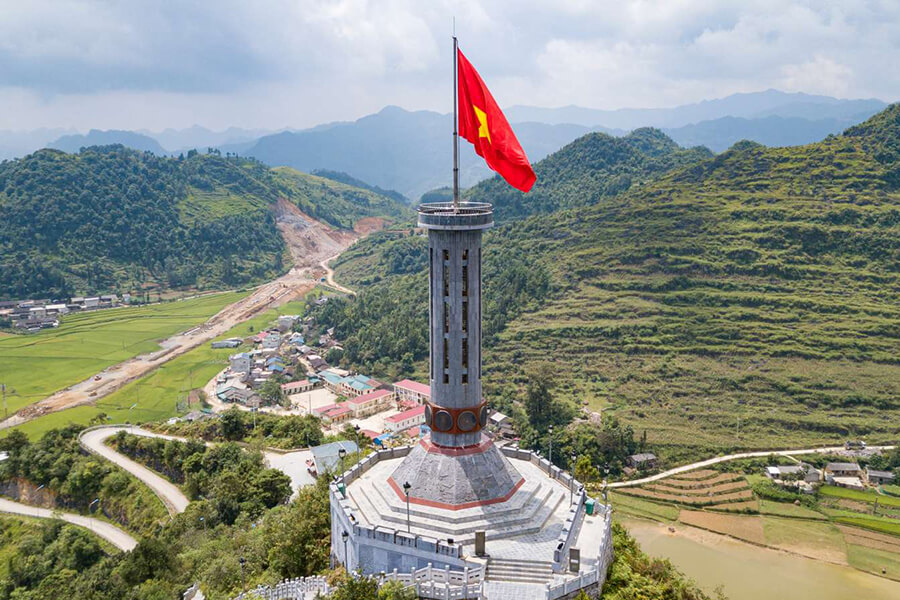
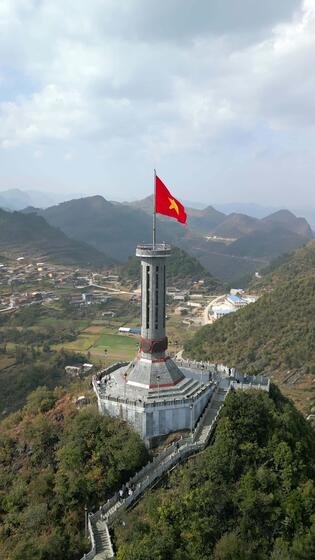
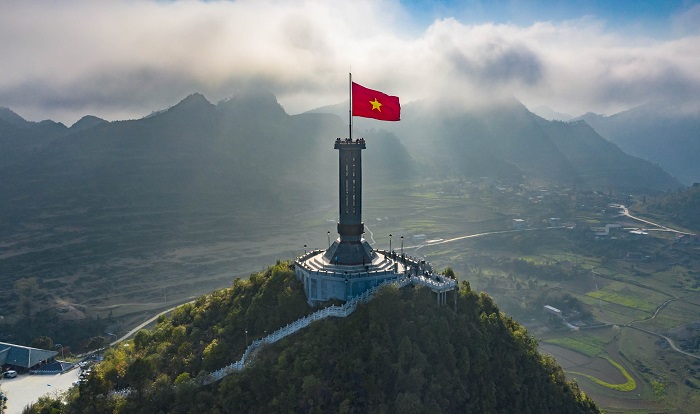
The towering flagpole at Lung Cu is more than just an architectural structure; it is a testament to the country's sovereignty and unity. The 33-meter-high tower features a massive Vietnamese flag, proudly waving over the breathtaking Ha Giang landscape. The eight-panel base of the tower is decorated with Dong Son drum patterns, reflecting the rich cultural heritage of the Vietnamese people. Standing beneath the flag, visitors can feel the deep sense of patriotism that this site embodies.
Reaching Lung Cu Flag Point is an adventure through some of Vietnam’s most stunning landscapes. The winding roads take travelers through majestic mountains, traditional ethnic villages, and picturesque terraced fields. Many adventurers choose to explore the area by motorbike, as the journey itself is just as rewarding as the destination. Along the way, breathtaking viewpoints offer glimpses of Ha Giang’s raw beauty, making the trip an unforgettable experience.

A visit to Lung Cu Flag Point is best complemented by a stop at Dong Van Market, where travelers can immerse themselves in the rich traditions of Ha Giang’s ethnic communities. Held every Sunday, the market is a lively gathering place for the H’Mong, Tay, Dao, and other groups who come to trade goods, share stories, and celebrate their heritage. Exploring the vibrant stalls filled with textiles, handicrafts, and fresh produce provides a deeper understanding of the region’s diverse cultural landscape.
Climbing the nearly 400 steps to the top of Lung Cu Flag Tower is both a physical and symbolic journey. Once at the summit, visitors are rewarded with a breathtaking 360-degree view that stretches across Vietnam and into China. This vantage point serves as a reminder of the country’s geographical significance and its long-standing efforts to protect its borders. The two lakes at the base of the flag tower, known as "Dragon’s Eyes," add to the mystical beauty of the site and are believed to hold spiritual importance for the local people.
For those embarking on the journey to Lung Cu Flag Point, Ha Giang City Hostel offers a comfortable and convenient base. With cozy accommodations, friendly staff, and essential travel amenities, the hostel provides a welcoming environment for adventurers preparing to explore Ha Giang’s incredible landscapes. Staying here allows travelers to rest before taking on the winding roads leading to Lung Cu, ensuring a smoother and more enjoyable trip.
Visiting Lung Cu Flag Point requires some preparation to fully enjoy the experience. Here are a few essential travel tips:
Check the Weather: Clear skies offer the best visibility, while rainy conditions can make the roads more difficult to navigate.
Bring Identification: Since Lung Cu is close to the border, travelers may be required to show an ID or passport at checkpoints.
Wear Comfortable Shoes: The climb to the top involves many steps, so proper footwear is essential.
Respect Local Customs: Ha Giang is home to various ethnic communities, so dressing modestly and being mindful of local traditions is important.
Carry Cash: ATMs are limited in remote areas, and many vendors at Dong Van Market only accept cash.
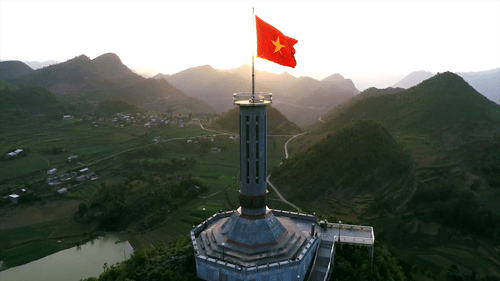
Lung Cu Flag Point is not just a destination—it is a journey through history, culture, and national pride. From its ancient origins to its breathtaking views, this site offers travelers a deeper connection to Vietnam’s past and present. Combining a visit to Lung Cu with stops at Dong Van Market and staying at Ha Giang City Hostel ensures a well-rounded experience, capturing the essence of Ha Giang’s beauty and heritage.