
Trong các hội chợ, lễ hội hay sự kiện cộng đồng, gian hàng ẩm thực bằng tre đang trở thành xu hướng thiết kế được ưa chuộng bởi vẻ đẹp tự nhiên, thân thiện môi trường và khả năng thu hút khách tham quan cao. Không chỉ đơn giản là nơi bán hàng, mô hình này còn là điểm check-in, trải nghiệm độc đáo mang đậm chất văn hóa Việt.
Khác với những gian hàng bằng vải, nhôm hay nhựa, gian hàng bằng tre mang đến cảm giác gần gũi, thân thiện như đang lạc vào một khu chợ quê Việt Nam thu nhỏ. Đây là lợi thế lớn giúp bạn nổi bật giữa hàng chục gian hàng hiện đại.
Tre là vật liệu tự nhiên, dễ phân hủy, tái sử dụng nhiều lần và có khả năng chịu lực tốt. Trong xu hướng “xanh hóa” các sự kiện hiện nay, gian hàng bằng tre thể hiện sự đồng hành với các giá trị phát triển bền vững.
Với chất liệu tre, bạn có thể dễ dàng kết hợp thêm nón lá, mẹt, rổ rá, đèn lồng… để làm nổi bật nét văn hóa vùng miền. Đặc biệt phù hợp khi kinh doanh các món ăn dân gian như bánh xèo, chè, bún, phở, bánh tráng nướng, nước mía, v.v.
Xem thêm>> https://avicom.vn/thiet-ke-thi-cong-gian-hang-hoi-cho-trien-lam
Mô hình này thường có mái lá tranh, khung tre chắc chắn, không gian mở 3 phía giúp khách dễ tiếp cận. Phù hợp với những hội chợ cộng đồng, hội làng, chợ phiên.
Bày biện thức ăn trên các mẹt tròn, đặt trên sạp tre dài. Mô hình này vừa tiết kiệm diện tích vừa tạo cảm giác chân thật như phiên chợ quê xưa.
Phù hợp với mô hình bán đồ uống truyền thống như nước sấu, nước mía, trà tắc, chè nóng... Có thể dựng mái tre che nắng và bố trí ghế tre cho khách ngồi thưởng thức tại chỗ.
Chọn tre già, chắc, đã xử lý chống mối mọt để đảm bảo an toàn trong quá trình sử dụng.
Thiết kế chắc chắn, đặc biệt phần mái và khung chịu lực để tránh gió mạnh làm đổ, sập.
Chống cháy, nếu có sử dụng bếp lửa hoặc đèn dầu, nên có khoảng cách an toàn với vật liệu tre.
Kết hợp ánh sáng nhẹ như đèn lồng vàng, đèn LED nhỏ để tạo không gian ấm cúng khi trời tối.
Đảm bảo vệ sinh an toàn thực phẩm, sử dụng các vật dụng đựng đồ ăn sạch, có nắp đậy và được che chắn cẩn thận.
Gian hàng bằng tre mang phong cách truyền thống nên rất phù hợp để bán các món ẩm thực Việt dân gian như:
Bánh xèo, bánh căn, bánh tráng nướng
Bún bò, bún riêu, bún chả
Chè đậu xanh, chè thập cẩm, sương sáo
Nước mía, trà đá, trà sữa nếp cẩm
Cơm lam, thịt xiên nướng, ngô nướng, khoai lang nướng
Sự kết hợp giữa không gian mộc mạc và món ăn truyền thống giúp khách hàng có trải nghiệm trọn vẹn cả về vị giác lẫn cảm xúc.
Nếu bạn cần thiết kế, thi công gian hàng ẩm thực bằng tre chuyên nghiệp cho hội chợ, hội trại, sự kiện tại trường học, doanh nghiệp hay trung tâm thương mại, hãy liên hệ AVICOM.
Chúng tôi cung cấp dịch vụ trọn gói:
Thiết kế bố cục gian hàng tre ấn tượng, đúng chủ đề
Thi công nhanh, chắc chắn, đảm bảo an toàn
Tư vấn trang trí bằng vật dụng truyền thống
Kết hợp hệ thống đèn chiếu sáng, bảng hiệu
Đáp ứng mọi kích thước, vị trí và mục đích sử dụng
Gian hàng ẩm thực bằng tre là sự lựa chọn hoàn hảo nếu bạn muốn tạo điểm nhấn độc đáo trong các sự kiện đông người. Không chỉ mang lại cảm giác thân quen, gần gũi mà còn tôn vinh nét đẹp văn hóa ẩm thực Việt Nam. Một gian hàng đẹp, mang tính truyền cảm hứng sẽ giúp bạn thu hút khách hàng, tăng doanh thu và lan tỏa thương hiệu một cách tự nhiên.
Hãy bắt đầu lên ý tưởng cho gian hàng tre độc đáo ngay hôm nay, và nếu cần một đơn vị đồng hành tin cậy trong thiết kế – thi công gian hàng, đừng quên https://avicom.vn/ luôn sẵn sàng hỗ trợ bạn.
Trong các hội chợ, lễ hội, hội trại hoặc khu ẩm thực, việc thu hút khách hàng không chỉ nằm ở món ăn ngon hay cách bày trí hấp dẫn mà còn phụ thuộc rất lớn vào tên gian hàng ẩm thực. Một cái tên độc lạ, sáng tạo, dễ nhớ sẽ giúp bạn nổi bật giữa hàng chục gian hàng khác, đồng thời tạo ra hiệu ứng lan truyền hiệu quả.
Vậy làm sao để đặt tên gian hàng vừa thú vị vừa mang tính nhận diện cao? Cùng khám phá ngay trong bài viết dưới đây.
Tên gian hàng là một phần trong chiến lược truyền thông thương hiệu. Khi bạn đầu tư vào một cái tên sáng tạo, nó có thể tạo ra cảm giác tò mò, hứng thú và kéo khách hàng đến trải nghiệm. Đây cũng là yếu tố then chốt để giúp khách hàng:
Nhớ đến bạn lâu hơn so với các gian hàng khác.
Dễ dàng chia sẻ và giới thiệu lại cho người khác.
Gắn liền cảm xúc với món ăn và trải nghiệm ẩm thực.
Tăng tính nhận diện nếu bạn có ý định phát triển thành thương hiệu lâu dài.
Những cái tên có yếu tố vui nhộn, chơi chữ hay gây cười sẽ khiến khách hàng bật cười và có thiện cảm ngay lập tức. Một số gợi ý:
“Bún Chửi Mẹ Làm”
“Cơm Tấm Không Sườn”
“Bánh Tráng Cuốn Trúng Tim”
“Ăn Là Ghiền – Mở Là Vào”
“Xôi Không Hết Là Ăn Tiếp”
Tuy nhiên, hãy đảm bảo rằng sự hài hước không gây phản cảm hoặc đụng chạm đến vấn đề nhạy cảm.
Đây là cách đặt tên trực tiếp, rõ ràng nhưng bạn vẫn có thể biến tấu để độc lạ hơn:
“Ốc Ếch Ép Ăn”
“Nướng & Nước Mắm”
“Hải Sản Bay”
“Mì Kéo Tay – Kéo Khách”
“Bánh Mì Mê Mệt”
Tên dạng này giúp khách hàng dễ dàng hình dung bạn đang bán món gì, đồng thời dễ định hình được sản phẩm nổi bật.
Tham khảo>> https://avicom.vn/thiet-ke-thi-cong-gian-hang-hoi-cho-trien-lam
Nếu bạn bán đặc sản vùng miền thì đặt tên theo địa danh kết hợp với từ khóa độc lạ sẽ tạo nên sự tò mò:
“Đặc Sản Tây Bắc – Xôi Bảy Màu”
“Cá Lóc Đồng Tháp Nổ Lửa”
“Bánh Bèo Huế Kêu Gào”
“Chả Mực Hạ Long 360 Độ”
Những tên này vừa giúp nhấn mạnh nguồn gốc món ăn, vừa dễ thu hút khách hàng yêu thích trải nghiệm ẩm thực đa vùng miền.
Tên gian hàng dạng cảm xúc đánh vào giác quan, kỷ niệm hoặc những ấn tượng mạnh về món ăn:
“Vừa Ăn Vừa Khóc”
“Ăn Là Quên Lối Về”
“Ngon Đến Lần Cuối”
“Đắng Cay Ngọt Bùi”
“Bùng Nổ Vị Giác”
Dạng tên này thường phù hợp với những món ăn có hương vị đặc trưng, độ cay cao, hoặc trải nghiệm độc đáo.
Để tạo cảm giác hiện đại và hợp xu hướng, bạn có thể sử dụng từ mượn hoặc tiếng nước ngoài kết hợp tiếng Việt:
“Sushi Không Sayonara”
“Bánh Mì Bonjour”
“Taco Tới Công Chuyện”
“Korean BBQ – Thịt Phải Cháy”
Cách này phù hợp với các gian hàng phục vụ món Á, Âu, Hàn, Nhật... tạo sự khác biệt và trẻ trung.
Ngắn gọn, dễ nhớ: Tên càng ngắn gọn, càng dễ in ấn, quảng bá và ghi nhớ.
Không quá khó đọc: Tránh dùng các từ quá lạ hoặc tiếng nước ngoài khó đọc khiến khách bối rối.
Không trùng lặp: Tìm hiểu trước xem tên bạn chọn có bị trùng với thương hiệu khác không.
Đúng với sản phẩm: Không nên đặt tên quá “ảo” nếu món ăn bạn bán quá đơn giản, điều này dễ tạo cảm giác hụt hẫng.
| Tên gian hàng | Mô tả món bán |
|---|---|
| Gắp Là Mê | Món ăn dạng xiên que, hấp dẫn giới trẻ |
| Nướng Từ Trái Tim | Các món nướng thơm ngon, được chế biến tại chỗ |
| Bún Bò Đấu Võ | Món bún bò cay nồng, đậm đà hương vị Huế |
| Trà Sữa Cục Súc | Trà sữa topping siêu nhiều, hương vị “bạo lực” |
| Xôi Lầy | Các loại xôi trộn topping đa dạng, vị lạ |
| Lẩu Tình Yêu 2 Ngăn | Món lẩu chia đôi vị cay – ngọt, ý nghĩa gắn kết |
| Bánh Tráng Ăn Hết Mới Về | Bánh tráng trộn “siêu to khổng lồ” ăn hoài không hết |
Một tên gian hàng ẩm thực độc lạ là công cụ marketing mạnh mẽ mà không tốn quá nhiều chi phí. Nó giúp bạn thu hút sự chú ý, tạo ấn tượng ban đầu mạnh mẽ và giúp khách hàng dễ nhớ đến bạn hơn. Hãy đầu tư chỉn chu vào khâu đặt tên để nâng cao hiệu quả kinh doanh tại hội chợ, sự kiện hay khu ẩm thực.
Nếu bạn đang chuẩn bị thiết kế và thi công gian hàng ẩm thực cho hội chợ, hội trại hay khu phố đi bộ, hãy liên hệ https://avicom.vn/ – đơn vị chuyên thiết kế thi công gian hàng triển lãm, hội chợ chuyên nghiệp và sáng tạo.
The Ha Giang Loop is an exhilarating motorbike journey through Vietnam’s northernmost mountains. However, the region’s unpredictable weather can turn an adventure into a challenge, especially during the rainy season. Understanding how Ha Giang Loop weather affects road conditions and preparing for wet conditions can make your ride safer and more enjoyable. Whether you’re a seasoned motorbiker or a first-time traveler, these tips will help you navigate the loop with confidence, even in the rain.
Ha Giang’s climate varies throughout the year, with distinct dry and rainy seasons. The rainy season typically lasts from May to September, bringing heavy downpours and occasional landslides. While these months showcase lush green landscapes, they also make Ha Giang Loop motorbike routes slippery and more difficult to navigate. October to April, on the other hand, offers drier and more stable conditions. Knowing what to expect from the weather allows you to plan your trip accordingly and take necessary precautions.
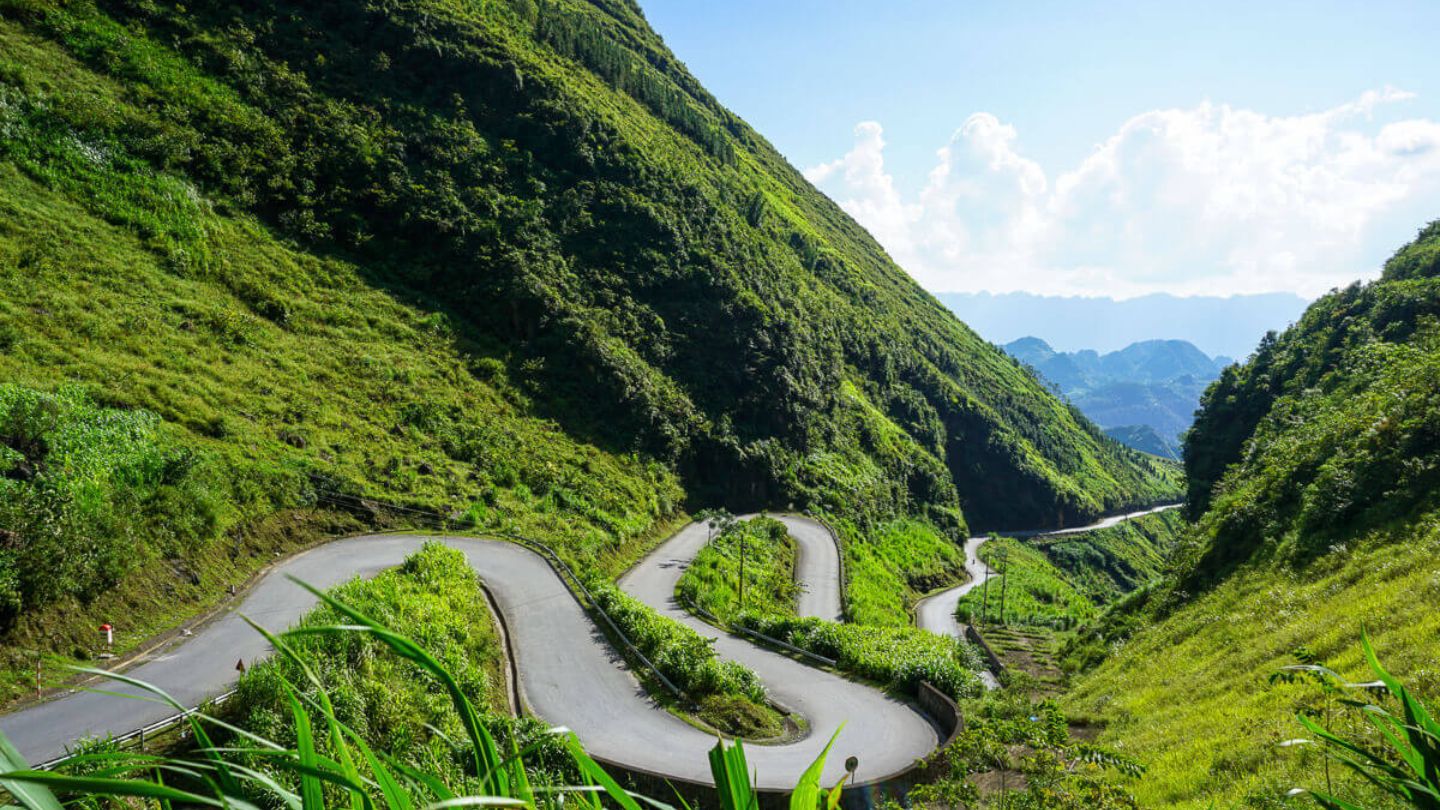
Riding in the rain requires proper gear to ensure comfort and safety. Investing in high-quality waterproof equipment can make all the difference on your journey.
Waterproof Jacket & Pants: A good rainproof set will keep you dry and warm during long rides in the rain.
Non-Slip Gloves: Wet handlebars can make controlling your motorbike challenging, so waterproof gloves with a firm grip are essential.
Durable Rain Boots: Waterproof boots or shoe covers will protect your feet from getting soaked.
Anti-Fog Helmet with a Visor: Clear visibility is crucial when riding in the rain. A full-face helmet with an anti-fog visor helps prevent water from obstructing your view.
Waterproof Backpack or Cover: Keep your valuables dry by using waterproof covers for your bag and motorbike seat.
Wet and slippery roads on the Ha Giang Loop require extra caution. Adjusting your riding technique will help you maintain control and avoid accidents.
Reduce Speed: Slower speeds provide more reaction time, reducing the risk of skidding.
Use Both Brakes Gently: Avoid sudden braking, especially with the front brake, as it can cause the bike to slide. Apply gentle and balanced pressure on both brakes.
Avoid Puddles and Muddy Patches: Water can hide deep potholes, and mud can cause tires to lose traction.
Stay in the Tire Tracks of Other Vehicles: These tracks tend to be drier and offer more stability.
Be Extra Careful on Downhill Roads: The steep descents on the Ha Giang Loop can be treacherous in the rain, so use engine braking and lower gears to control speed.
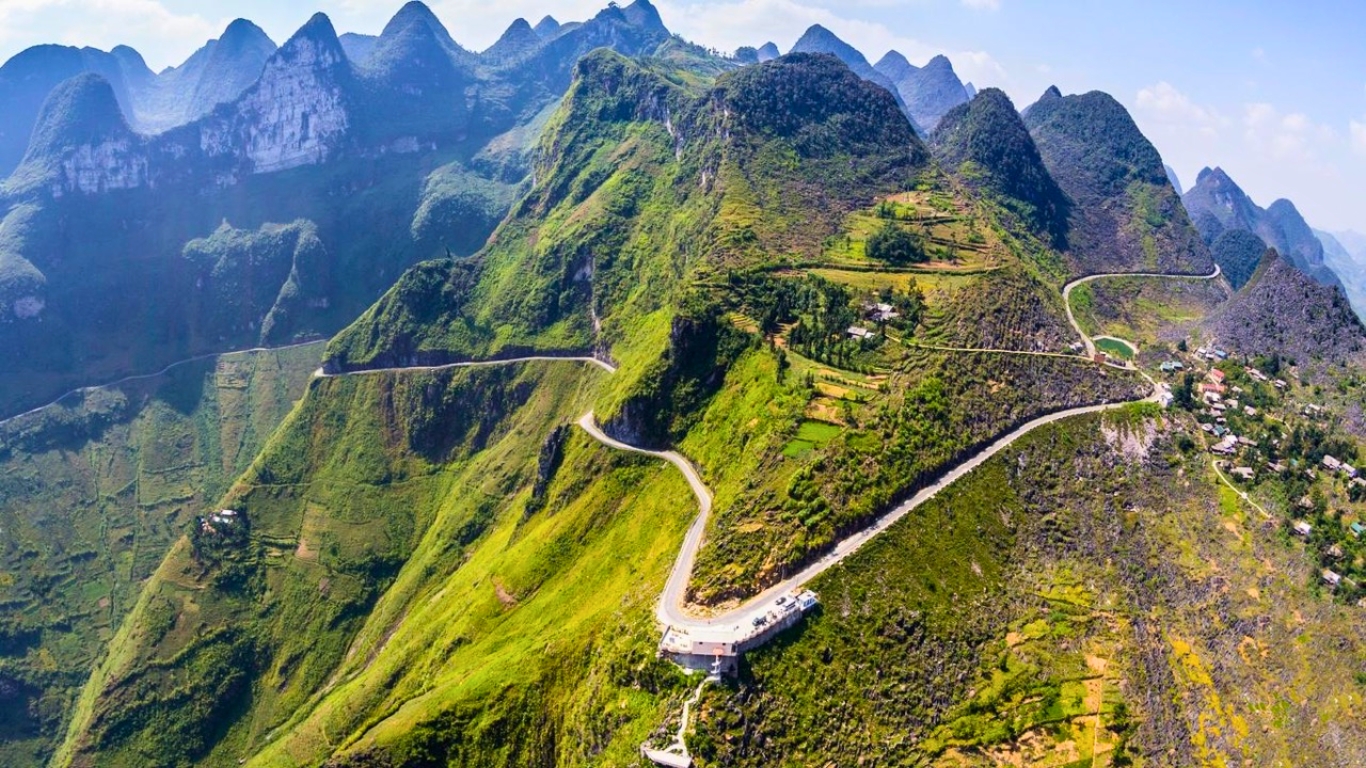
When heavy rain strikes, finding a safe place to wait it out is a smart decision. The Ha Giang Loop is dotted with small villages, roadside shops, and cafés where you can take cover. If rain persists, consider staying overnight at a comfortable hostel in Ha Giang before continuing your journey. Booking a place in advance ensures that you have a dry and warm spot to rest if the weather worsens.
Before setting off, always check the weather forecast to anticipate rain. Several apps and websites provide up-to-date information on Ha Giang Loop weather, helping you determine the best time to ride. If storms are predicted, it may be wise to delay your trip or adjust your route. Additionally, keeping an eye on the sky while riding can alert you to incoming weather changes.
A well-maintained motorbike is essential for handling wet roads safely. Before embarking on your ride, make sure your bike is in top condition.
Check Tire Tread and Pressure: Worn-out tires lose traction more easily on wet surfaces.
Ensure Brakes Are Responsive: Reliable brakes are crucial for safe downhill riding in the rain.
Test Headlights and Signal Lights: Rainy conditions often reduce visibility, so functioning lights help other road users see you.
Use a Mudguard: A mudguard prevents water and mud from splashing onto your face and clothing.

While rainy weather adds challenges to the Ha Giang Loop, it also brings out the region’s dramatic beauty. Mist-covered mountains, vibrant green rice fields, and cascading waterfalls make for breathtaking views. With the right preparation, you can still enjoy the journey while staying safe. Whether you choose to brave the rain or wait it out at a hostel in Ha Giang, embracing the experience with flexibility will make your adventure even more memorable.
Handling rainy weather on the Ha Giang Loop requires proper planning, the right gear, and cautious riding techniques. By checking Ha Giang Loop weather forecasts, adjusting your motorbike setup, and knowing when to take shelter, you can navigate the region safely even during the wet season. Rain may add some challenges, but it also enhances the beauty of Vietnam’s northern highlands, making your journey an unforgettable experience.
The Ha Giang Loop is one of Vietnam’s most breathtaking motorbike routes, with stunning mountain landscapes and vibrant ethnic cultures. One of the most awe-inspiring sights along the route is the golden rice terraces that paint the hillsides in autumn. To fully appreciate this natural wonder, it is important to understand the best time to visit and how Ha Giang Loop weather affects the rice fields’ transformation. Whether you're planning a Ha Giang Loop motorbike journey or looking for a cozy hostel in Ha Giang, timing your trip right will ensure an unforgettable experience.
Rice terraces are a vital part of the Ha Giang region, particularly in areas like Hoang Su Phi and Dong Van. These terraced fields are carved into the mountains by ethnic minority groups, mainly the Tay, Dao, and H’Mong people, who have practiced this agricultural method for centuries. The fields undergo dramatic changes throughout the year, but they are at their most spectacular when they turn golden before harvest. Understanding their significance adds to the appreciation of their beauty and the effort behind them.

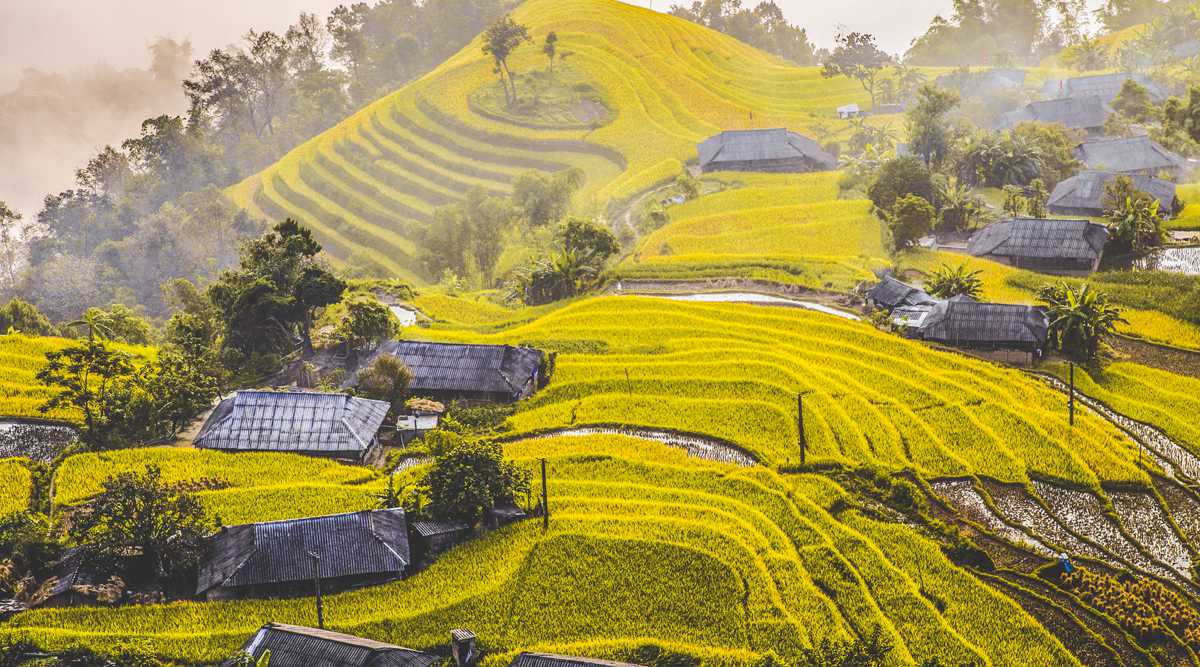
Timing is crucial when planning a visit to see the golden rice terraces. The best period is from mid-September to early October, when the rice reaches full maturity, covering the mountains in a stunning golden hue. This season is ideal for photographers and travelers who want to capture the mesmerizing scenery. Additionally, the mild Ha Giang Loop weather during autumn makes motorbike exploration more enjoyable.
Weather plays a significant role in shaping the rice terraces’ beauty throughout the year. Each season offers a unique landscape, influencing the travel experience:
Spring (March to May): During this time, farmers begin planting, and the terraces are filled with water, reflecting the sky like a giant mirror. While they are not golden yet, the scenery is still breathtaking.
Summer (June to August): The terraces turn vibrant green as the rice grows. However, frequent rains can make Ha Giang Loop motorbike routes more challenging due to slippery roads.
Autumn (September to October): This is the peak season when the fields turn golden. Ha Giang Loop weather is generally stable, making it the best time for sightseeing and photography.
Winter (November to February): After the harvest, the terraces are mostly bare. The colder temperatures and misty landscapes create a different but still fascinating atmosphere.
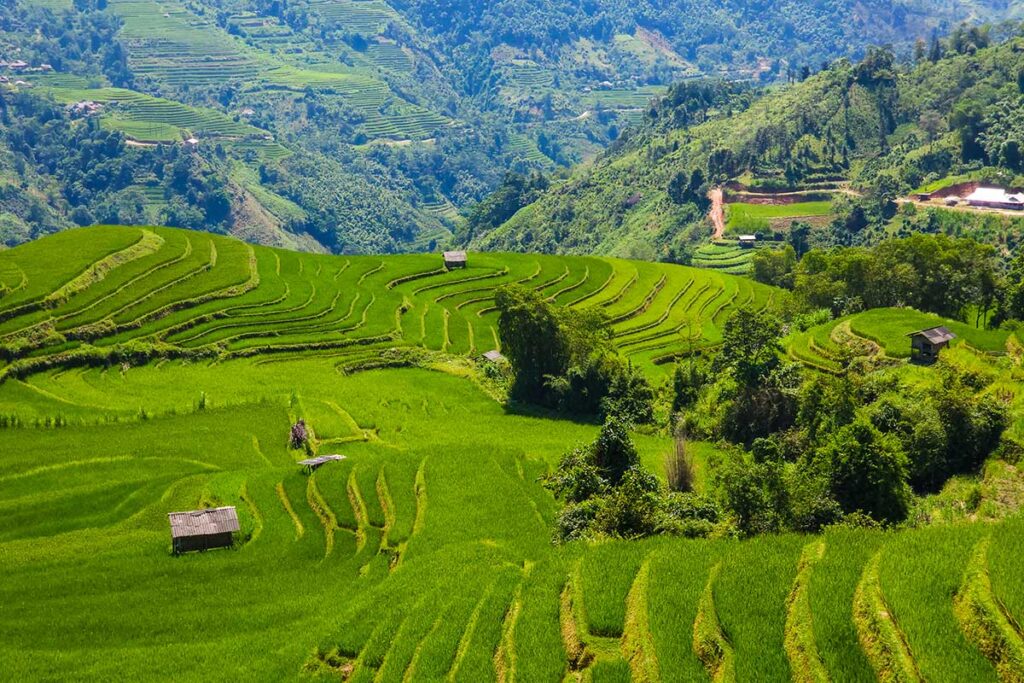
Choosing the right spots can enhance your experience when exploring Ha Giang’s famous rice terraces. Here are some must-visit locations along the Ha Giang Loop:
Hoang Su Phi: This district is home to the most impressive rice terraces in Ha Giang. The best time to visit is late September when the fields reach their peak golden color.
Nam Ty Valley: A hidden gem within Hoang Su Phi, this valley offers breathtaking views of terraced fields nestled between lush green forests.
Tham Ma Pass: Famous for its winding road, this pass also provides incredible views of rice terraces cascading down the mountainsides during harvest season.
Dong Van & Meo Vac: While these areas are better known for their limestone karsts, they still feature stunning rice terraces that add to the region’s scenic beauty.
To make the most of your journey to see the golden rice terraces, proper planning is essential. Here are some helpful tips:
Book Accommodations Early: Autumn is a popular season, so securing a stay at a hostel in Ha Giang before starting the loop ensures a comfortable and hassle-free trip.
Check Ha Giang Loop Weather Updates: Even in autumn, occasional rain can occur. Checking the forecast will help you prepare for any unexpected weather changes.
Choose a Reliable Motorbike: The mountain roads can be tricky, so renting a well-maintained motorbike from a reputable Ha Giang Loop motorbike rental service is recommended.
Respect Local Farmers and Their Fields: The rice terraces are an essential part of local livelihoods, so avoid stepping on the crops and always be mindful when taking photos.

Visiting Ha Giang during the golden rice season is a once-in-a-lifetime experience. From mid-September to early October, the landscapes are at their most breathtaking, with golden fields stretching across the mountains. With favorable Ha Giang Loop weather and well-maintained motorbike routes, this is the perfect season for adventure seekers and nature lovers alike. By planning ahead and staying at a hostel in Ha Giang, you can fully immerse yourself in the beauty of northern Vietnam’s highlands while enjoying a comfortable and unforgettable journey.
Ha Giang, with its breathtaking landscapes and rich cultural traditions, experiences significant changes throughout the year due to shifting weather patterns. The impact of Ha Giang Loop weather goes beyond just affecting road conditions - it also shapes the daily lives of the locals and the timing of important festivals. Understanding these seasonal variations will help travelers better appreciate the unique experiences Ha Giang has to offer, whether they are embarking on a Ha Giang Loop motorbike adventure or exploring the region’s vibrant cultural events.
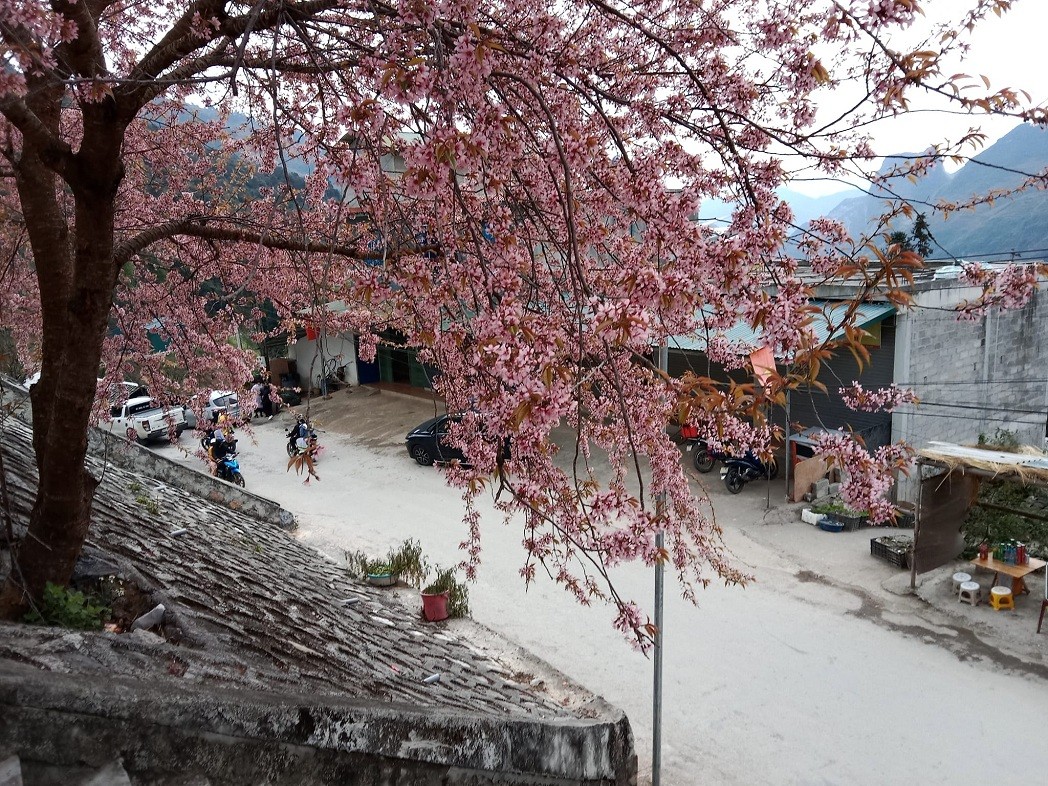
Spring (March to May) is one of the most vibrant times in Ha Giang. As the cold winter fades away, the mountains come alive with blooming peach, plum, and buckwheat flowers. The moderate temperatures and clear skies make it an ideal time for both farming and festivities. One of the most notable events during this period is the Long Tong Festival, celebrated by the Tay ethnic group to pray for a prosperous harvest. Travelers staying at a hostel in Ha Giang can take part in the lively festivities before beginning their journey on the Ha Giang Loop.
Summer (June to August) is characterized by hot temperatures and frequent rain. While the landscape turns lush and green, heavy rainfall can make certain routes along the Ha Giang Loop motorbike journey more challenging. Despite the wet conditions, summer is an important time for agriculture, as farmers cultivate rice and corn in the terraced fields. The "Lễ hội Lồng Tồng" (Going to the Fields Festival) is often held at this time, where locals express gratitude for good weather and hope for a bountiful harvest.
Autumn (September to November) is considered the best season for both riding and cultural exploration. With mild temperatures and minimal rainfall, Ha Giang Loop weather is at its most favorable. This period also marks the rice harvest season, transforming the terraced fields into golden landscapes. It is also a time for traditional markets such as the Dong Van Market, where different ethnic groups gather to trade goods and celebrate their heritage. Many travelers choose to stay at a hostel in Ha Giang before heading to these local events, ensuring they get an early start to witness the cultural richness of the region.
Winter (December to February) brings chilly temperatures, often dropping below 10°C in high-altitude areas. The misty weather adds a mystical touch to the mountains, making spots like Ma Pi Leng Pass even more breathtaking. Despite the cold, this is an important season for the H'Mong New Year, one of the biggest celebrations in the region. Families reunite, traditional games are played, and special dishes like thắng cố (a traditional soup) are enjoyed. Visitors who stay at a hostel in Ha Giang during this time can immerse themselves in these festive traditions before setting off on their Ha Giang Loop motorbike adventure.
Ha Giang’s weather plays a crucial role in shaping the region’s daily life and cultural traditions. Whether you're planning a motorbike trip or hoping to experience local festivals, understanding the seasonal changes can enhance your journey. Regardless of the time of year, Ha Giang promises a unique and unforgettable experience for every traveler.